

How Can a Booster Child Car Seat Keep Your Child Safe on the Road?
2026-06-01
Article Summary: Booster child car seats are essential for protecting children as they transition from toddler seats to regular seat belts. This comprehensive guide explores the benefits, types, proper installation, safety standards, and practical tips for selecting the best booster car seat for your child. Parents will also find helpful FAQs and a comparison table to make an informed decision.
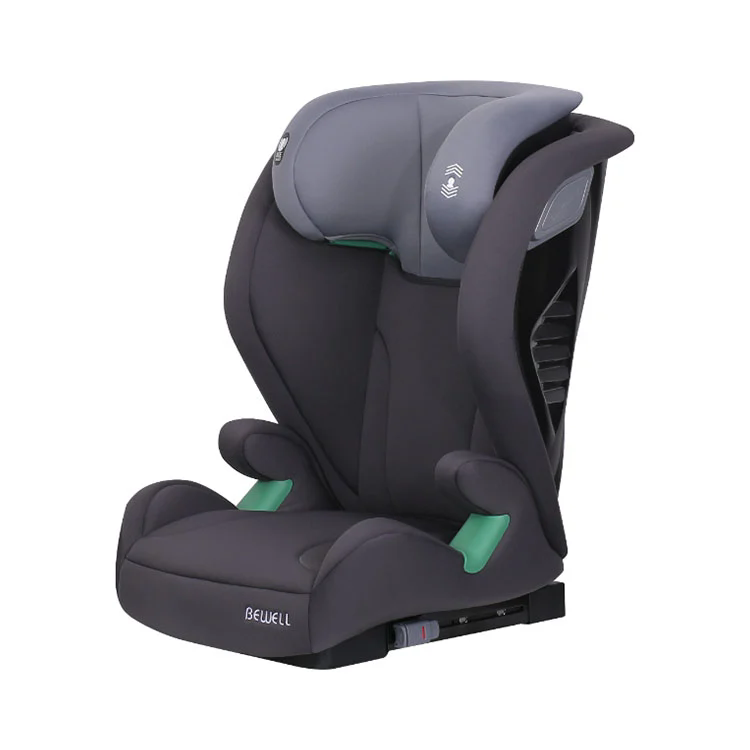
Table of Contents
- Importance of Booster Child Car Seats
- Types of Booster Car Seats
- Proper Installation and Safety Tips
- Key Features to Consider
- Comparison Table of Popular Booster Seats
- Frequently Asked Questions
- Conclusion & Contact
Importance of Booster Child Car Seats
Booster child car seats are designed for children who have outgrown their forward-facing car seats but are not yet tall enough for a standard seat belt to fit correctly. Proper use of a booster seat ensures that the seat belt rests on the stronger parts of a child’s body—the shoulder and lap—reducing the risk of injury in the event of a collision.
According to safety experts, using a booster seat can reduce the risk of serious injury by up to 45% compared to children riding without one. Parents should prioritize booster seats that meet national safety standards and are appropriate for their child’s age, weight, and height.
Types of Booster Car Seats
Booster car seats generally fall into two categories:
- Backless Boosters: Compact and lightweight, these seats are ideal for older children who can sit upright independently. They raise the child to the correct height for the vehicle’s seat belt.
- High-Back Boosters: Provide head and neck support, making them suitable for vehicles without headrests or for children who need extra protection. High-back boosters often come with adjustable headrests and armrests for added comfort.
Proper Installation and Safety Tips
Ensuring the booster car seat is installed correctly is crucial for maximum protection. Here are some practical installation guidelines:
- Always place the booster seat in the back seat, as it is the safest position for children under 13.
- Make sure the vehicle seat belt fits snugly across the child’s shoulder and lap. The lap belt should sit low on the hips, not the stomach.
- Follow the manufacturer’s instructions for your specific booster seat model.
- Regularly check for wear and tear or loose components.
Pro Tip: Even if a booster seat appears to fit well, ensure your child can sit all the way back against the vehicle seat with their knees bent at the edge of the seat. This ensures the seat belt aligns properly during a crash.
Key Features to Consider
When selecting a booster seat, parents should look for the following features:
- Weight and height limits appropriate for your child.
- Side-impact protection for enhanced safety.
- Easy-to-clean fabric, especially for younger children prone to spills.
- Adjustable headrest and armrests for long-term use.
- Secure belt guides to keep the seat belt properly positioned.
Choosing a booster seat with these features ensures that your child is both safe and comfortable during every ride.
Comparison Table of Popular Booster Seats
| Model | Type | Weight Range | Features | Price Range |
|---|---|---|---|---|
| BEWELL Comfort Booster | High-Back | 40–100 lbs | Side-impact protection, adjustable headrest, cup holders | $99–$129 |
| TravelMate Backless Booster | Backless | 40–110 lbs | Portable, lightweight, seat belt guide | $45–$70 |
| SafeRide Deluxe | High-Back | 30–100 lbs | Adjustable armrests, padded seat, easy installation | $80–$110 |
Frequently Asked Questions
Q1: At what age should my child start using a booster seat?
A1: Children typically transition to a booster seat between ages 4 and 7, depending on weight and height. Always check the manufacturer’s recommendations.
Q2: Can a booster seat be used without a backrest?
A2: Yes, backless boosters can be used once the child can sit upright safely and the vehicle has adequate headrests.
Q3: How long should a child remain in a booster seat?
A3: Children should remain in a booster seat until they are tall enough (usually 4’9” or 145 cm) for the seat belt to fit correctly across the shoulder and lap.
Q4: Are booster seats compatible with all car models?
A4: Most modern booster seats are compatible with standard seat belts in vehicles. Always verify compatibility with your car’s manual and seat dimensions.
Conclusion & Contact
Booster child car seats play a critical role in child safety during vehicle travel. Selecting the right type, ensuring proper installation, and regularly checking safety features can prevent serious injuries. For parents looking for a high-quality booster seat, BEWELL offers durable, comfortable, and safe options designed to protect your child on every journey. Contact us today to learn more and choose the best booster car seat for your family.